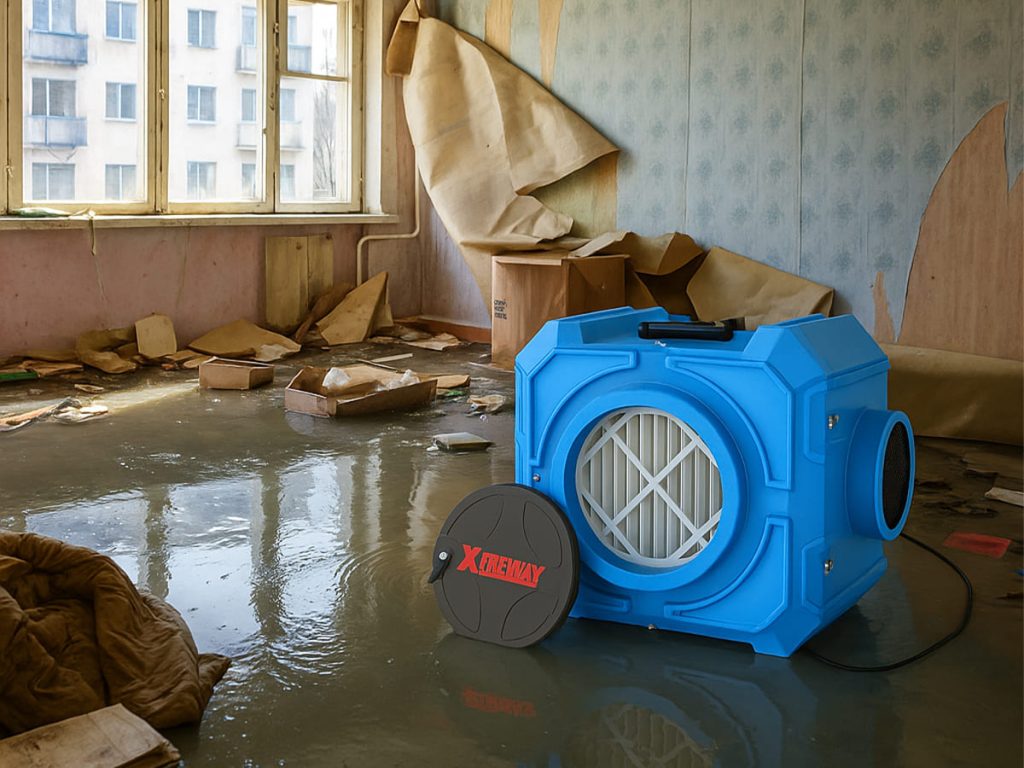
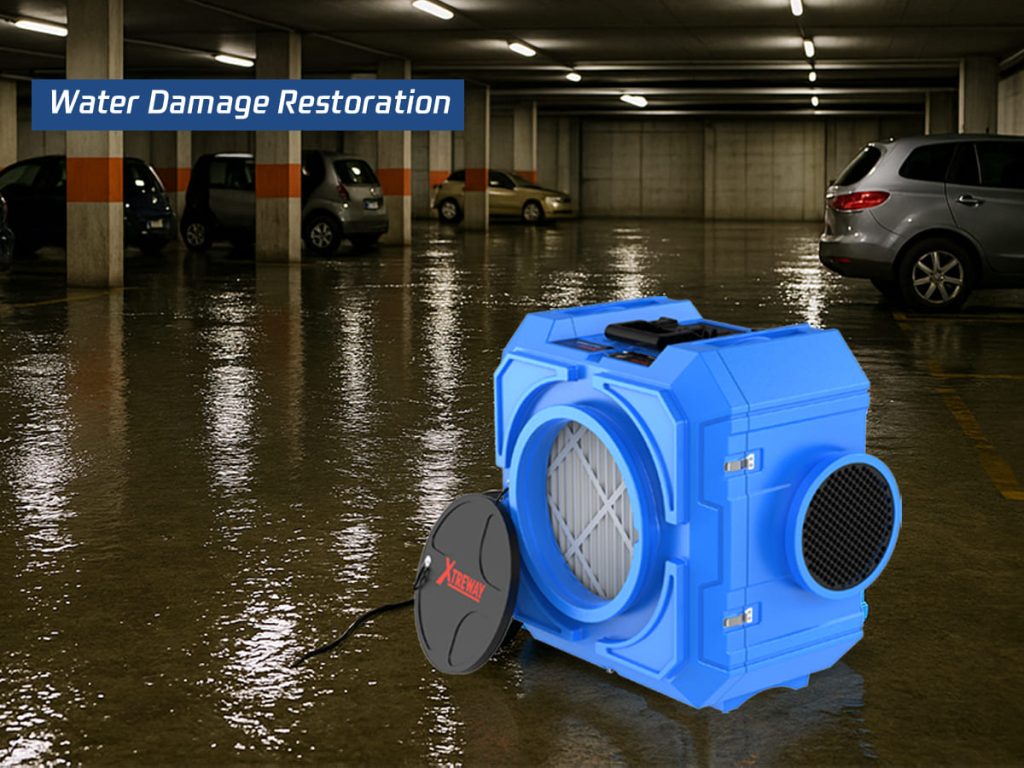
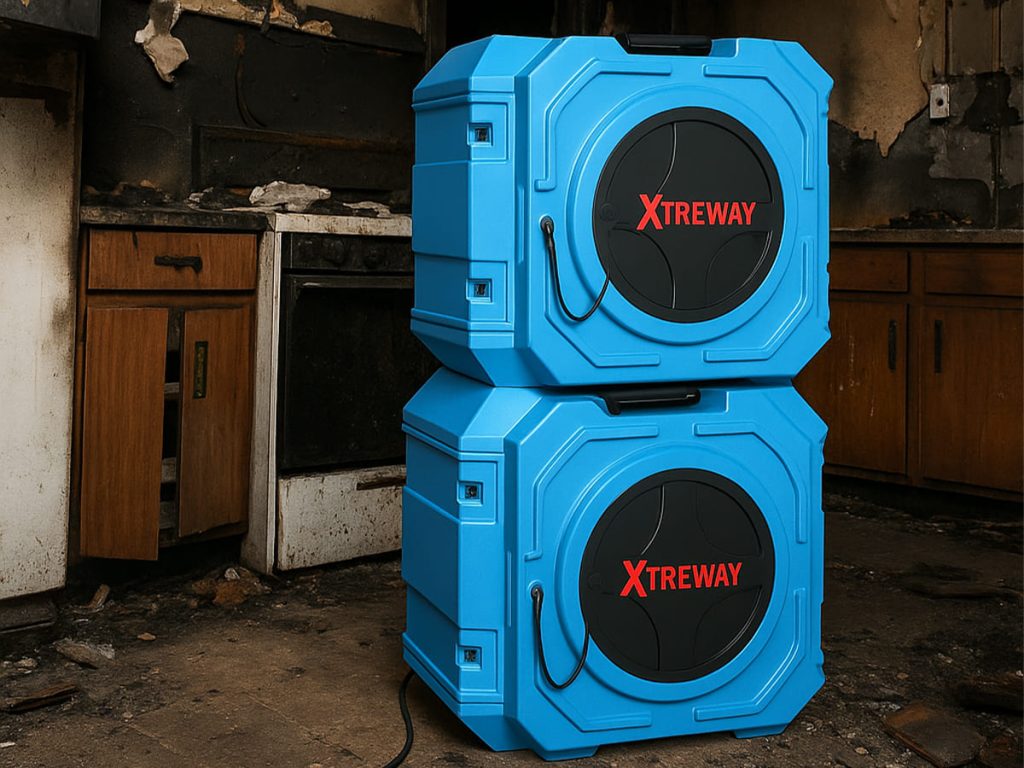
Air Scrubbers for Fire & Smoke Damage Cleanup Introduction
Introduction
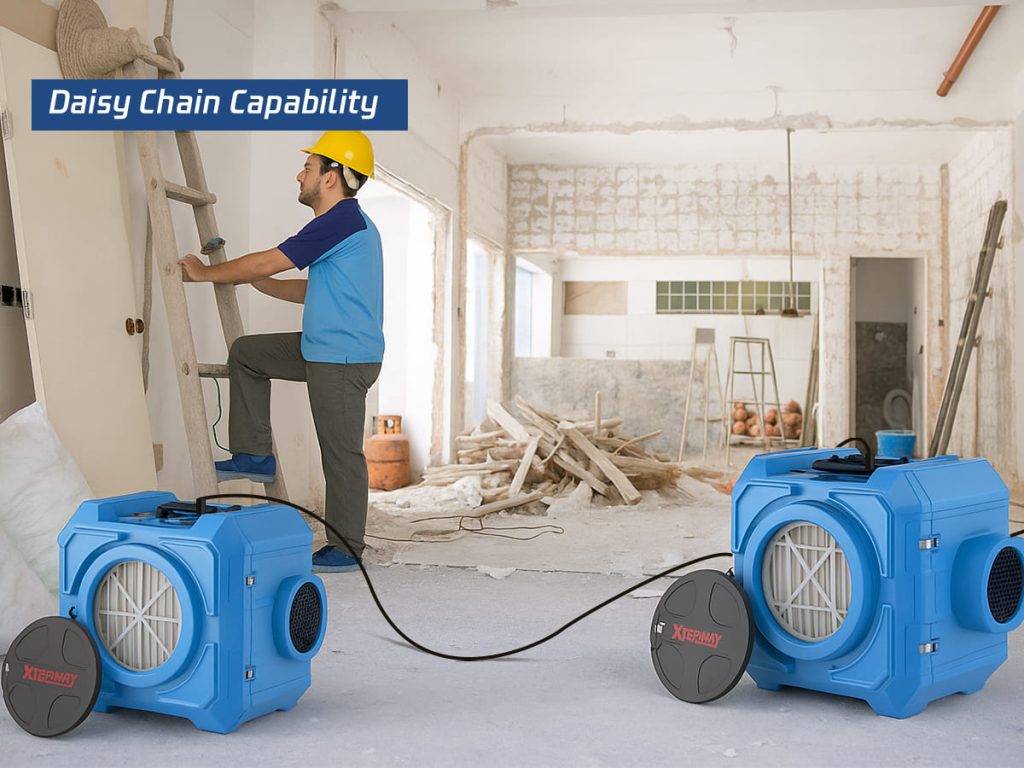
Construction and renovation projects generate hazardous dust (silica, drywall, wood particles) that endanger workers and building occupants. Air scrubbers are essential for compliance with OSHA standards and maintaining air quality during and after construction.
Space size: Calculate air volume (Length × Width × Height) to determine required CFM.
2. Choose the Right Air Scrubber
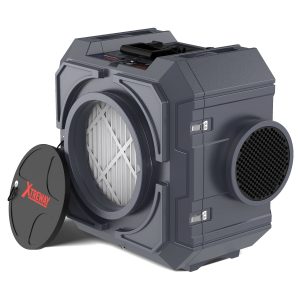
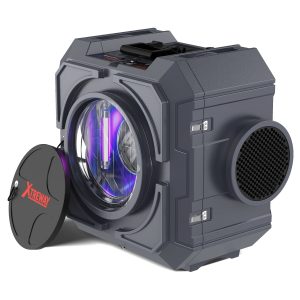
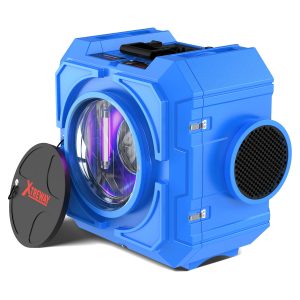
HEPA filtration for fine particles (e.g., silica).
Variable speed settings to adjust for dust levels.
Ducting kits to direct clean air or exhaust outdoors.
3. Position Strategically
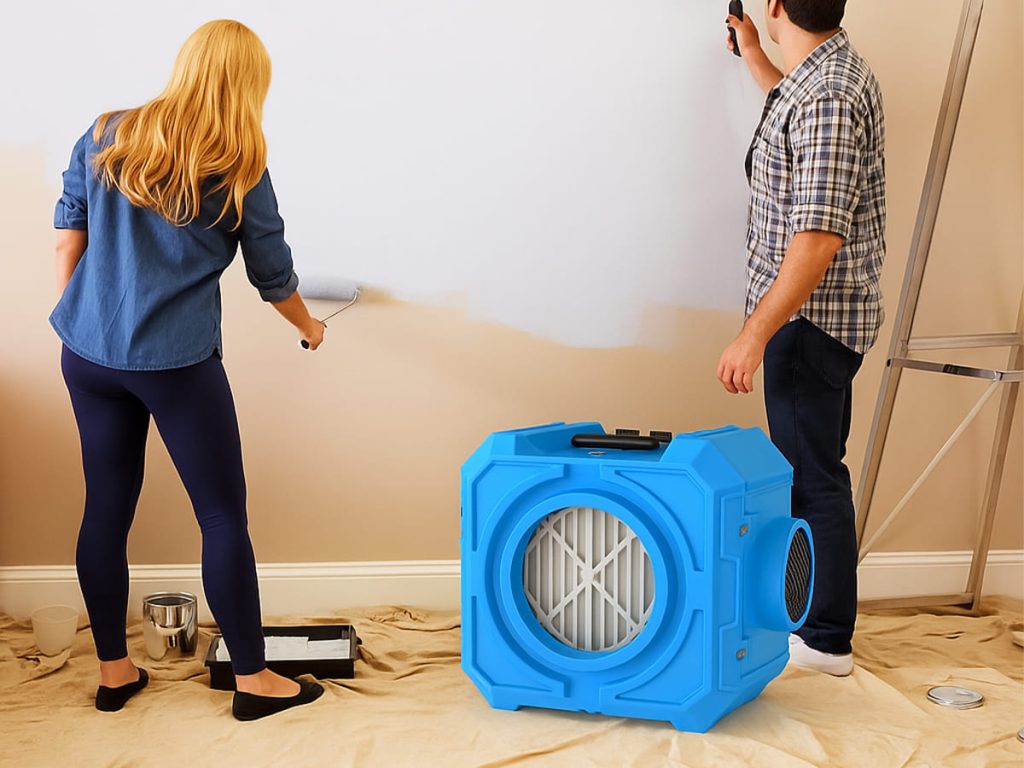
Near dust sources (e.g., next to concrete saws).
Elevate units to avoid ground dust intake.
Create airflow paths to push dust toward filters.
4. Run Continuously
Start before work begins to pre-clean air.
Operate during and 48+ hours post-construction to capture lingering particles.
5. Monitor and Maintain
Shake pre-filters daily to extend HEPA life.
Replace HEPA filters when airflow drops by 20%.
Pro Tips for Maximum Efficiency
✔ Pair with vacuums (HEPA-rated) for surface dust.
✔ Use negative air pressure in enclosed spaces (e.g., high-rises).
✔ Train workers on dust risks and scrubber importance.
Case Study: High-Rise Renovation
Challenge: Drywall sanding in a 50-story building with occupied floors.
Solution: Portable HEPA scrubbers on each floor + ducted exhaust.
Result: Air quality met OSHA standards; zero complaints from tenants.
Conclusion
Air scrubbers are non-negotiable for modern construction. They protect health, equipment, and compliance—making them as vital as hard hats.