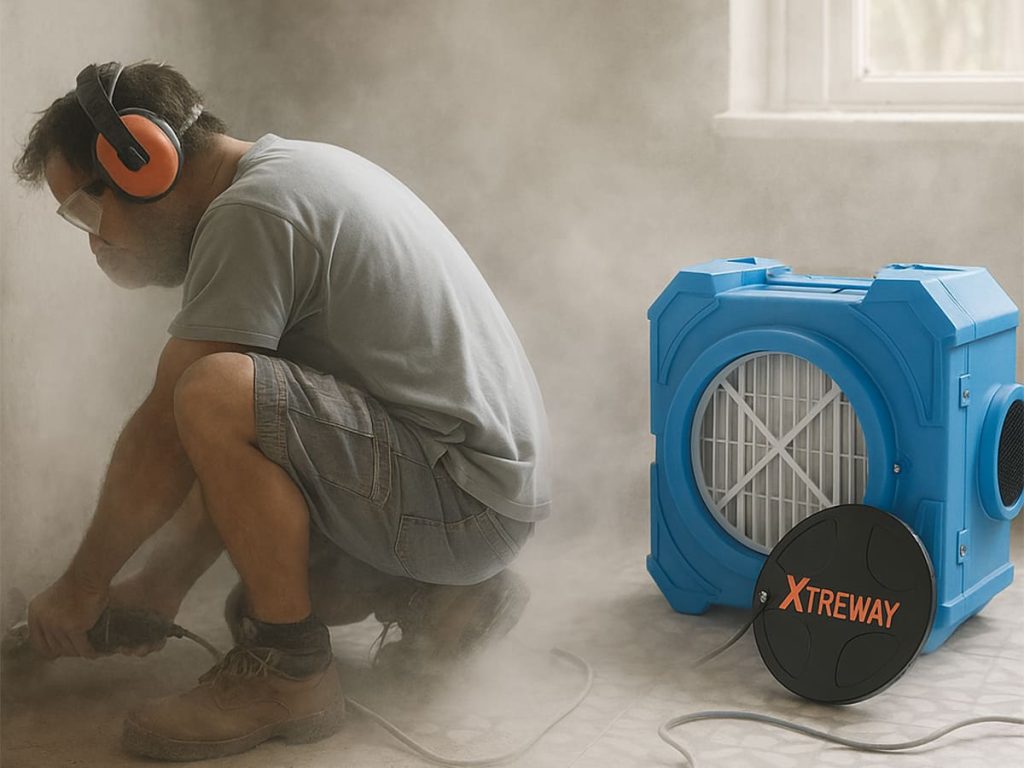
How to Use an Air Scrubber in Negative Air Pressure Systems
Introduction
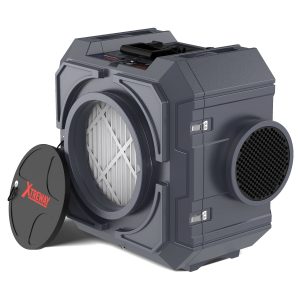
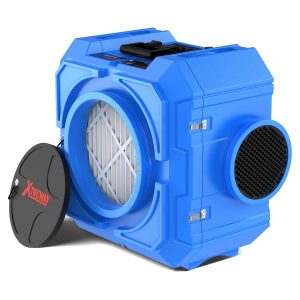
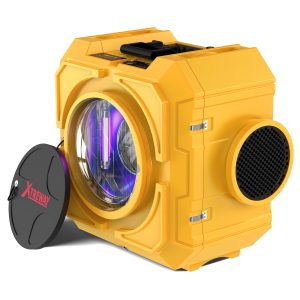
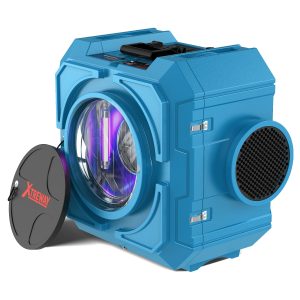
Negative air pressure systems are critical in containment zones (asbestos, mold, or infectious disease control). Air scrubbers maintain clean airflow while preventing contaminants from escaping. This guide explains how to set up an air scrubber for negative pressure.
How Negative Air Pressure Works
Air is exhausted outside (or through filters) at a higher rate than it enters.
Creates a vacuum effect, keeping contaminants trapped inside.
Step-by-Step Setup
1. Seal the Containment Area
Use plastic sheeting (6 mil poly) to isolate the space.
Seal doors, vents, and gaps with tape.
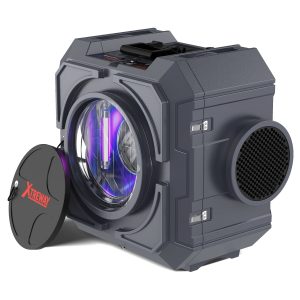
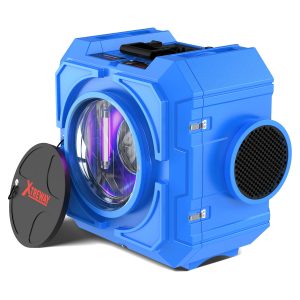
2. Position the Air Scrubber
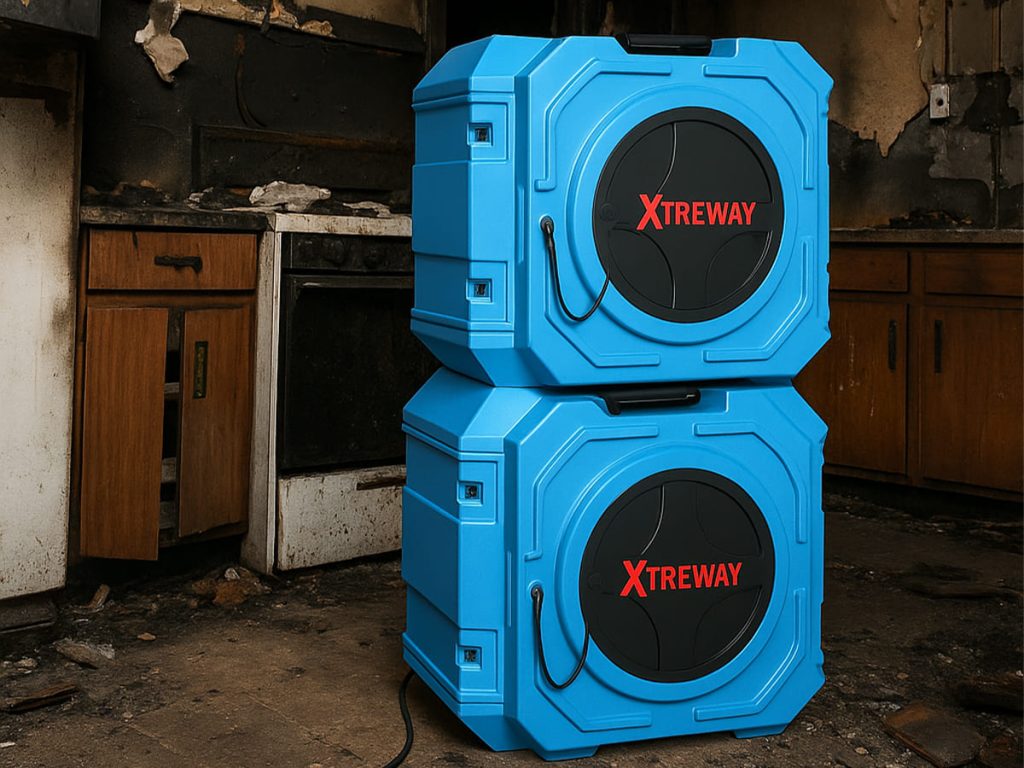
Place inside the containment zone.
Attach ducting to exhaust air outside (or through a window).
3. Create Negative Pressure
The scrubber should pull more air out than enters.
Verify with a manometer (pressure difference of -0.02 to -0.05 in. WC).
4. Use HEPA Filtration
HEPA filters are mandatory for hazardous particles.