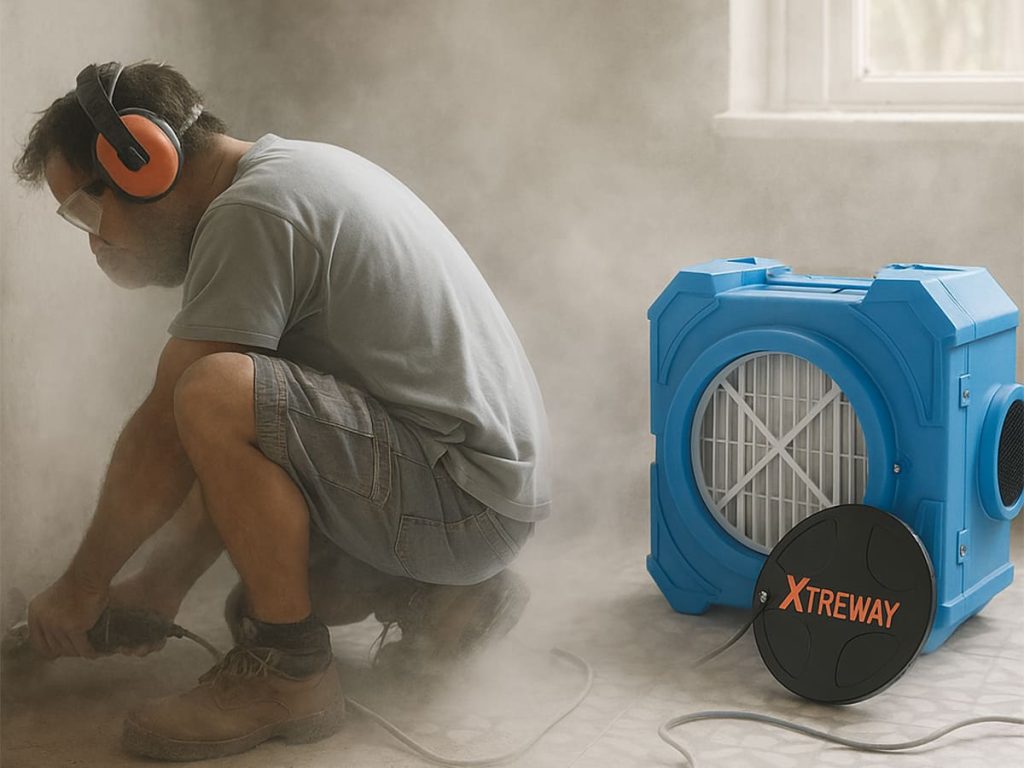
How to Use an Air Scrubber for Mold Remediation Introduction
Introduction
Mold spores spread invisibly through the air, threatening both property structures and human health. Air scrubbers are the first line of defense in mold remediation, capturing spores before they colonize new areas. This guide details professional-grade mold containment strategies using HEPA air scrubbers.
Why Mold Requires Air Scrubbing
Health Risks: Inhalation causes allergies, asthma, and toxic effects (e.g., black mold).
Cross-Contamination: Spores spread via HVAC systems or clothing.
Regulatory Compliance: OSHA and IICRC require containment during remediation.
Step-by-Step Mold Remediation Protocol
1. Set Up Containment
Seal the area with 6-mil polyethylene sheeting (double layers for toxic mold).
Create an airlock between contaminated and clean zones.
2. Select the Right Air Scrubber
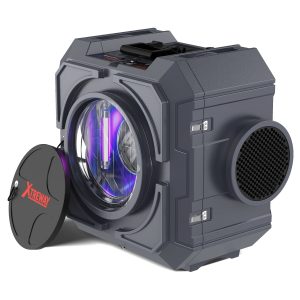
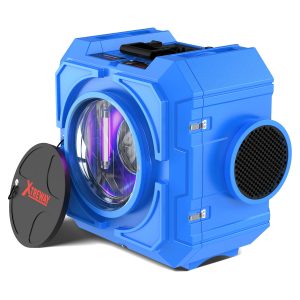
HEPA filtration (99.97% efficiency at 0.3 microns) is mandatory.
Carbon filters for musty odors (add if mold has a strong smell).
Calculate CFM: 4 air changes per hour (ACH) for the space volume.
3. Position for Maximum Efficiency
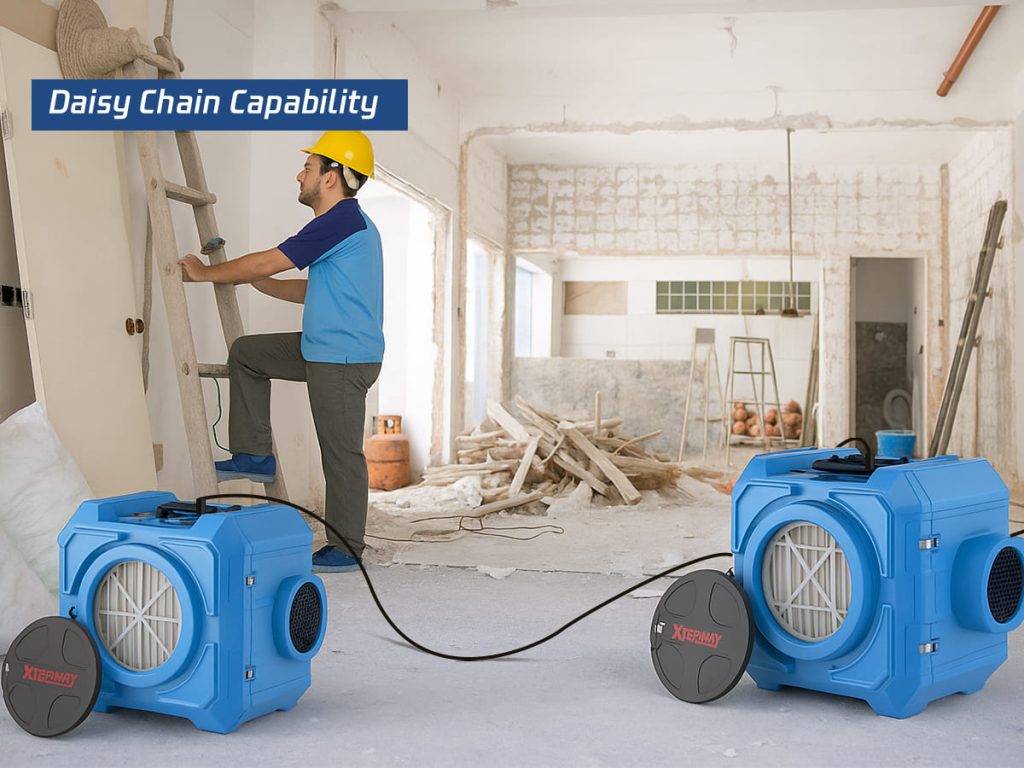
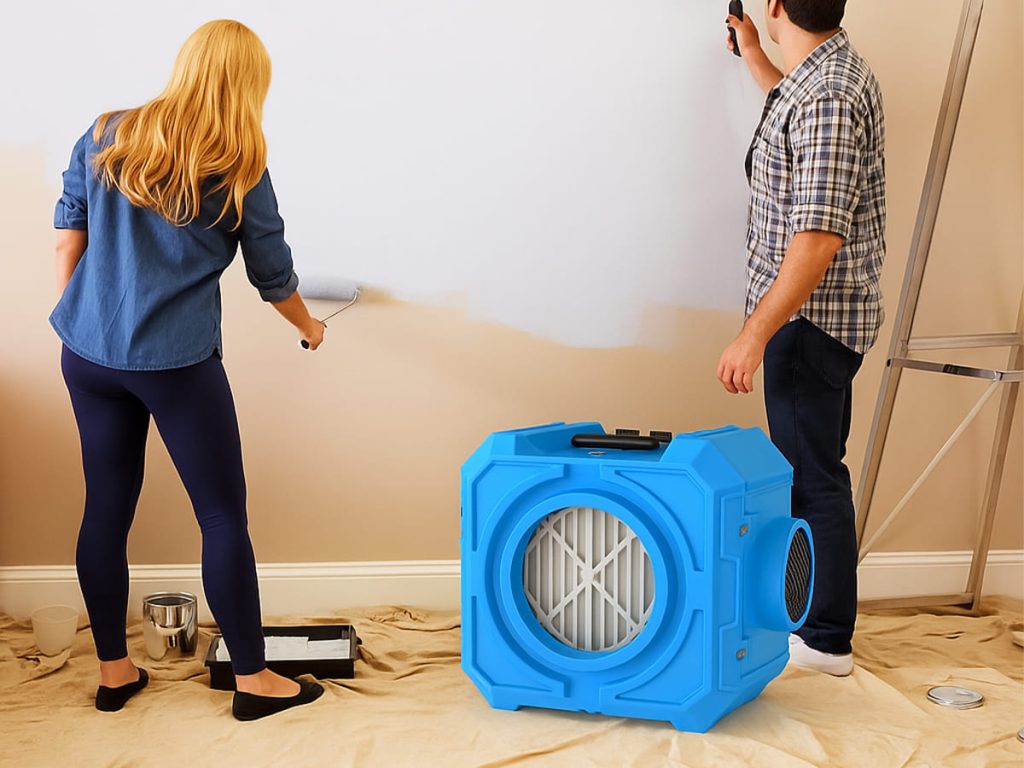
Place inside containment near the mold source.
Exhaust air outside (via window duct) or recirculate through secondary HEPA filters.
4. Run Continuously
Operate 24–72 hours before remediation to reduce airborne spores.
Keep running during and after mold removal (until post-clearance testing).
5. Post-Remediation Verification
Conduct air sampling (compare indoor/outdoor spore counts).
Replace HEPA filters before storage to prevent spore release.
Pro Tips
✔ Negative Pressure: Maintain -0.02″ WC to prevent spore escape.
✔ PPE: Respirators (N95 minimum) and disposable coveralls.
✔ DIY Warning: Large infestations (>10 sq. ft.) require professionals.
Case Study: Basement Mold Outbreak
Problem: 1,500 sq. ft. basement with Stachybotrys (black mold).
Solution: Two 500 CFM HEPA scrubbers in negative pressure for 5 days.
Result: Air tests showed spore levels reduced by 98%.
Conclusion
Air scrubbers transform mold remediation from risky to controlled. By trapping spores and preventing spread, they protect workers and occupants alike.